


What We Never Save Money On – and Where We Absolutely Do
When planning an interior, one of the first questions clients ask is simple and completely valid: Where can we save money, and where shouldn’t we?
Designing a home is a significant investment, and the goal is never to spend more than necessary. But good interior design isn’t about cutting costs everywhere, it’s about spending intentionally.
After working on many residential projects, one thing becomes very clear: some decisions save money only in the short term, while others protect your comfort, budget, and sanity for years to come.
Where we never cut corners
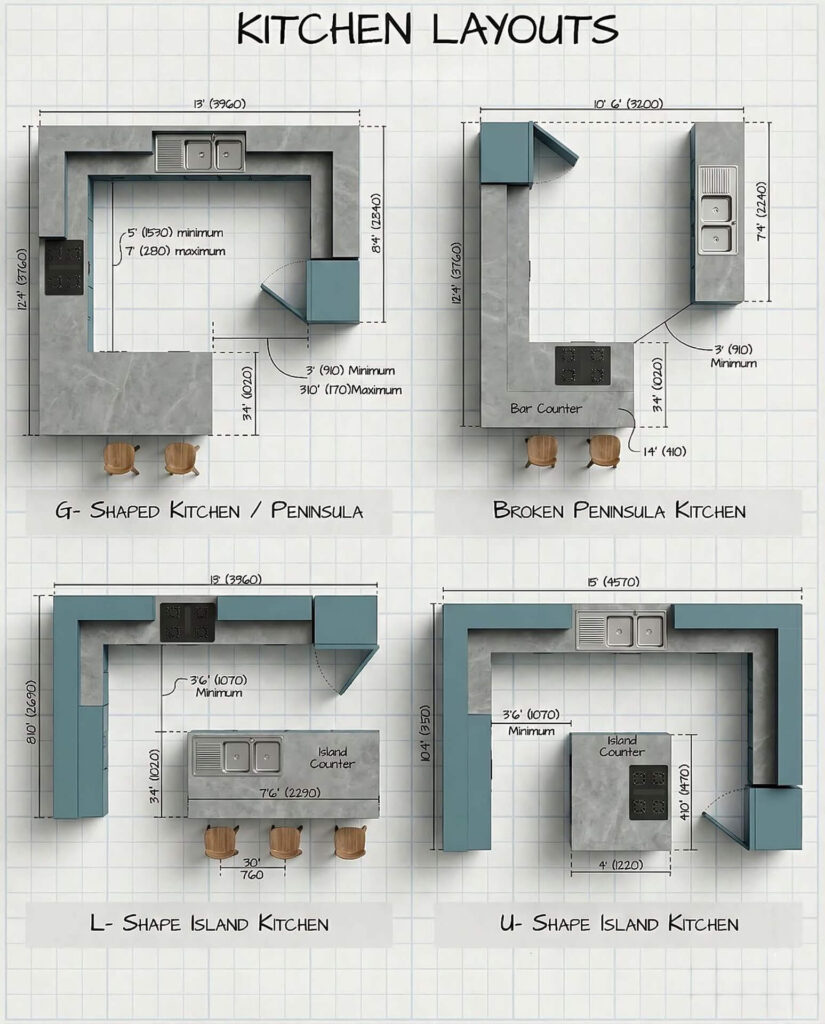
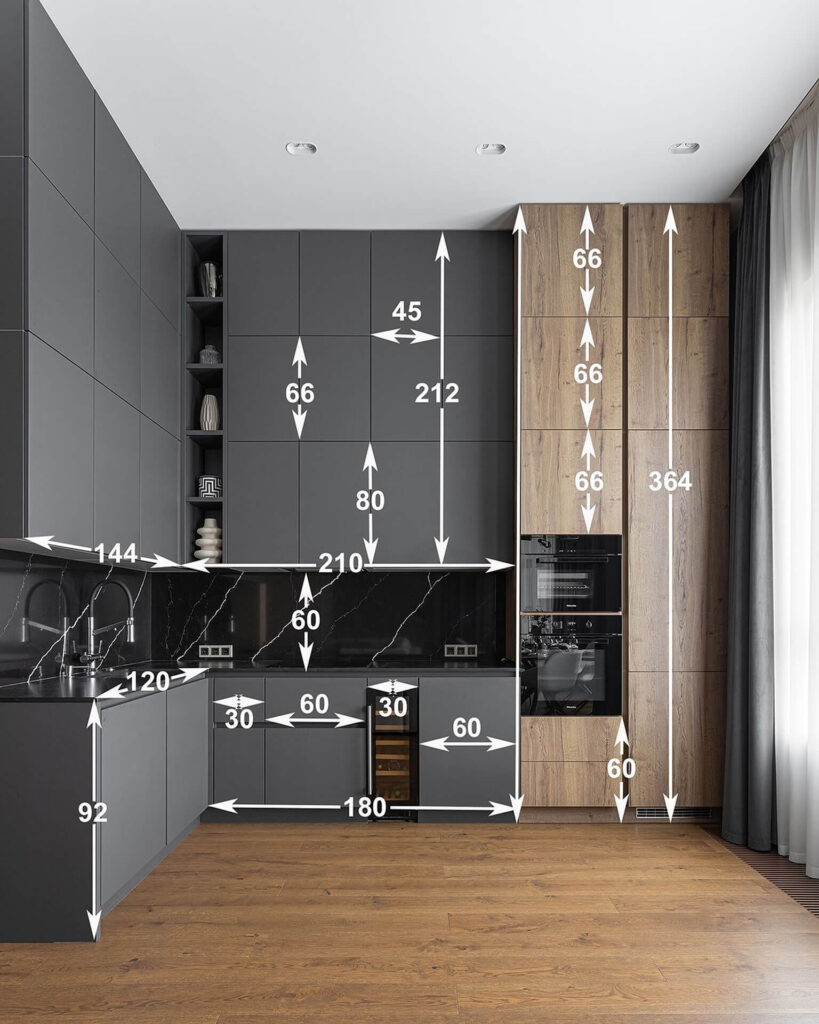
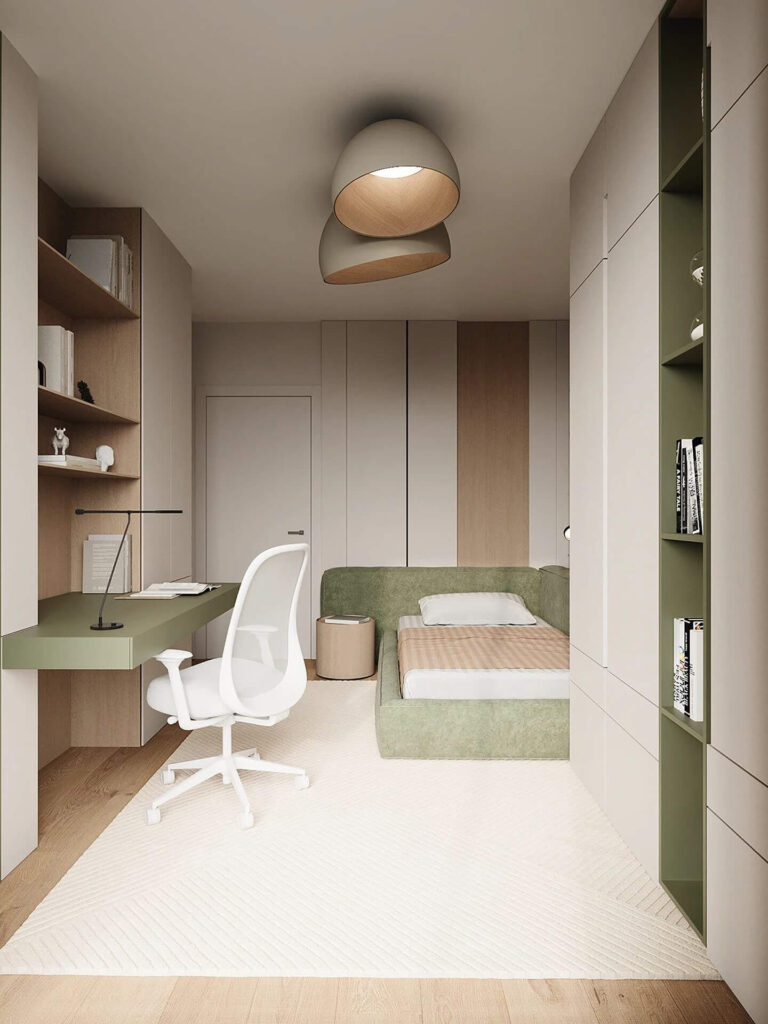
One area we never compromise on is functionality and layout. A beautiful interior means very little if it doesn’t work in daily life. The way a kitchen flows, how rooms connect, or whether storage is placed logically matters far more than how expensive the furniture is. Poor planning leads to frustration and fixing layout mistakes later is usually far more costly than doing it right from the start.
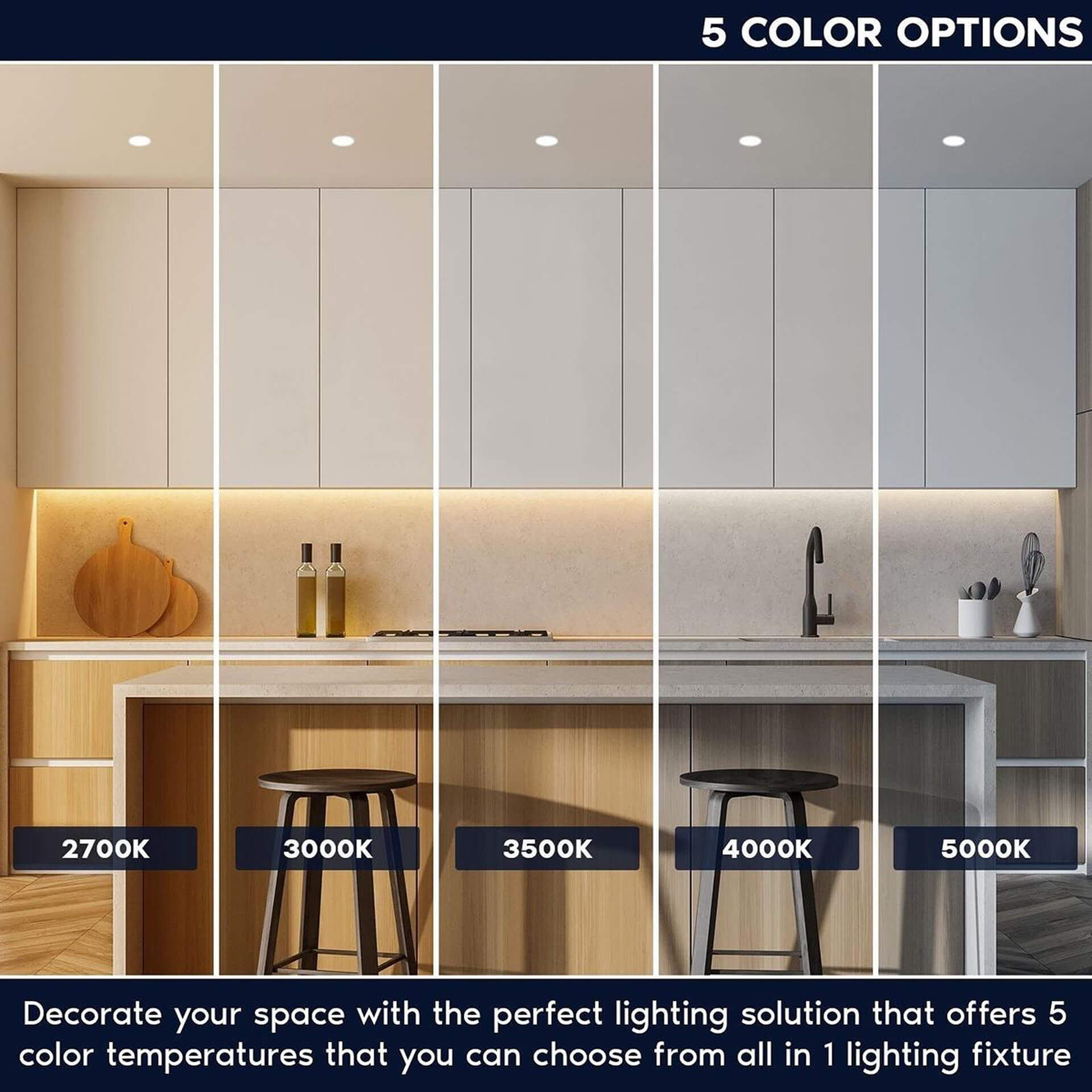
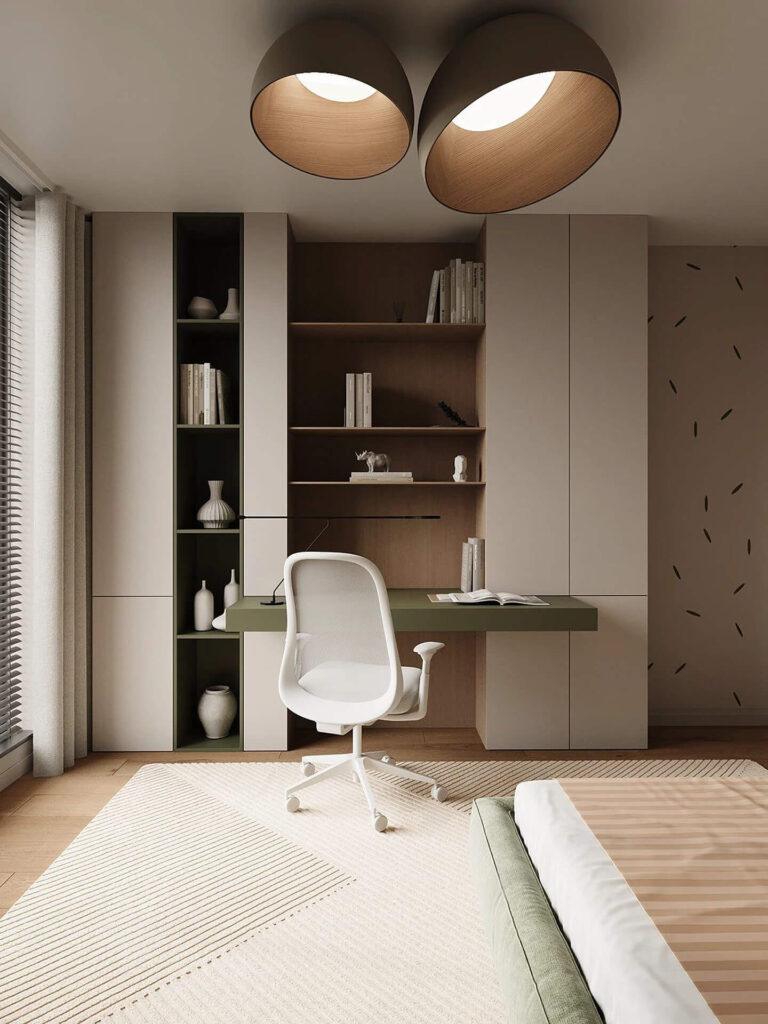
Lighting is another element where saving too much almost always backfires. Many interiors fail not because of furniture or color choices, but because the lighting was treated as an afterthought. A single ceiling light is rarely enough. A well-designed home needs layers of light: ambient lighting, task lighting, and softer evening light. Thoughtful lighting design doesn’t have to be expensive, but it does need planning and it completely transforms how a space feels.
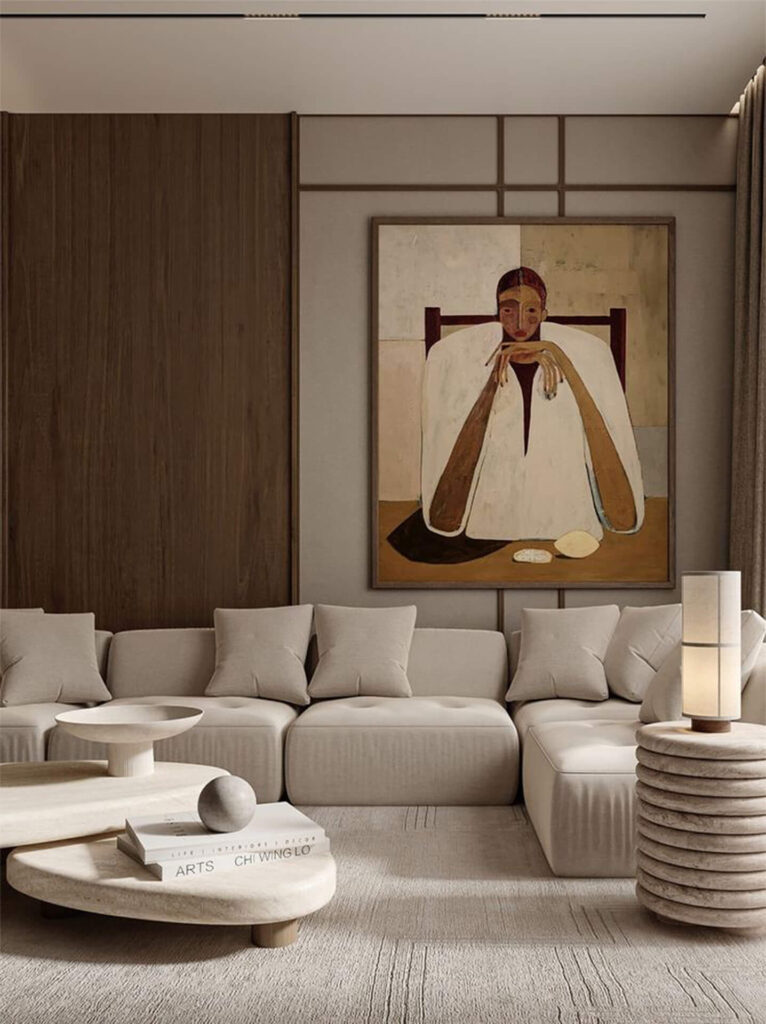
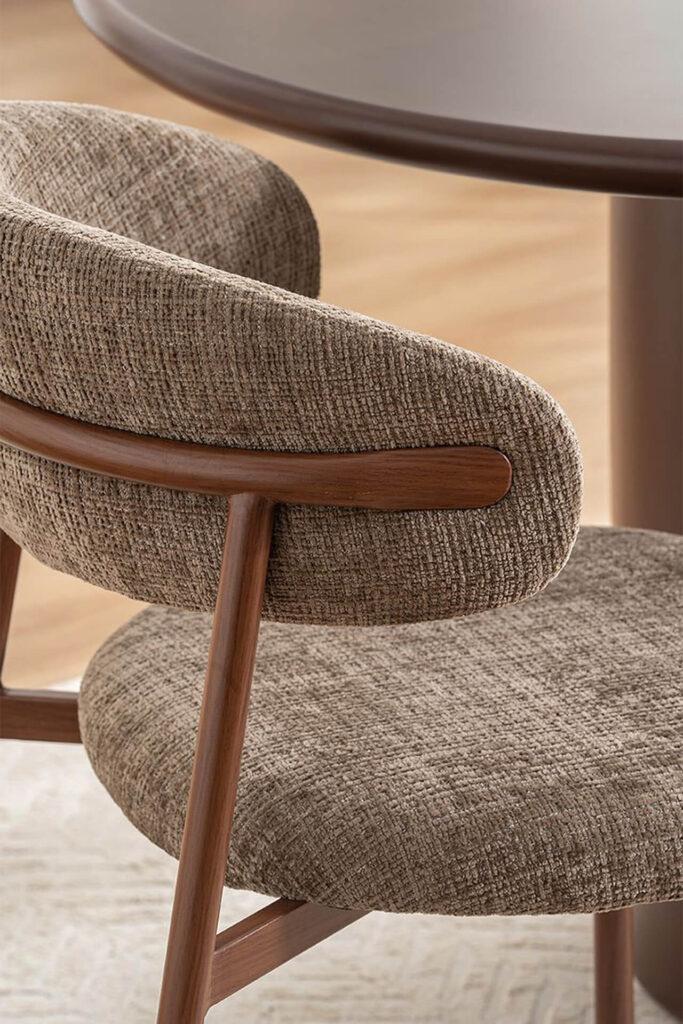
We also never compromise on everyday-use furniture. Sofas, beds, mattresses, dining chairs, these are pieces your body interacts with daily. Comfort, durability, and proper proportions matter more than trends. An uncomfortable sofa or a poorly built bed will quickly become a regret, no matter how good it looks in photos.
Where saving money makes sense
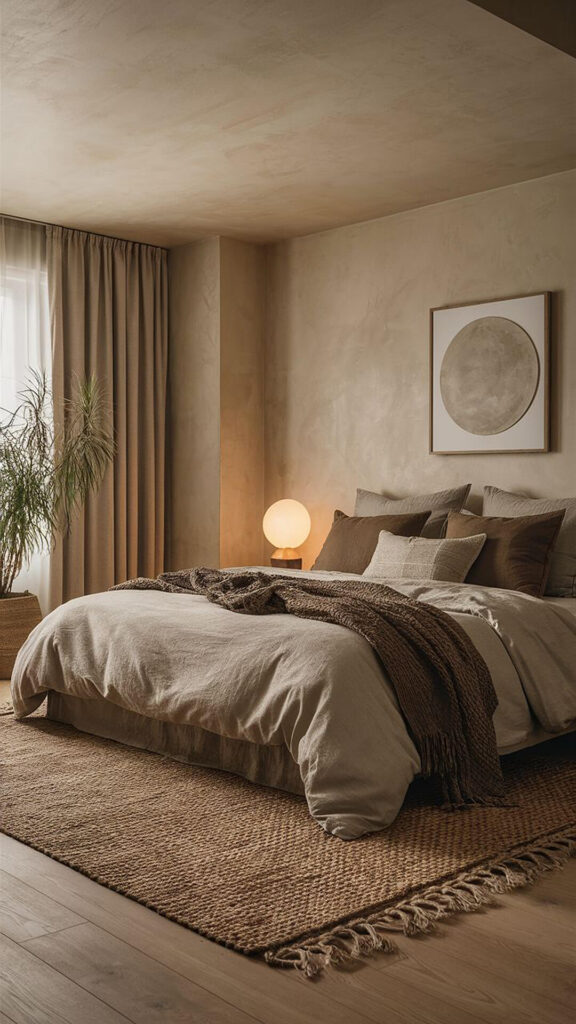
On the other hand, there are areas where smart savings are completely reasonable. Decorative items are a great example. Cushions, artwork, vases, throws, and accessories are meant to evolve. Tastes change, seasons change, and these elements are easy to replace. Investing heavily in decor rarely brings long-term value.
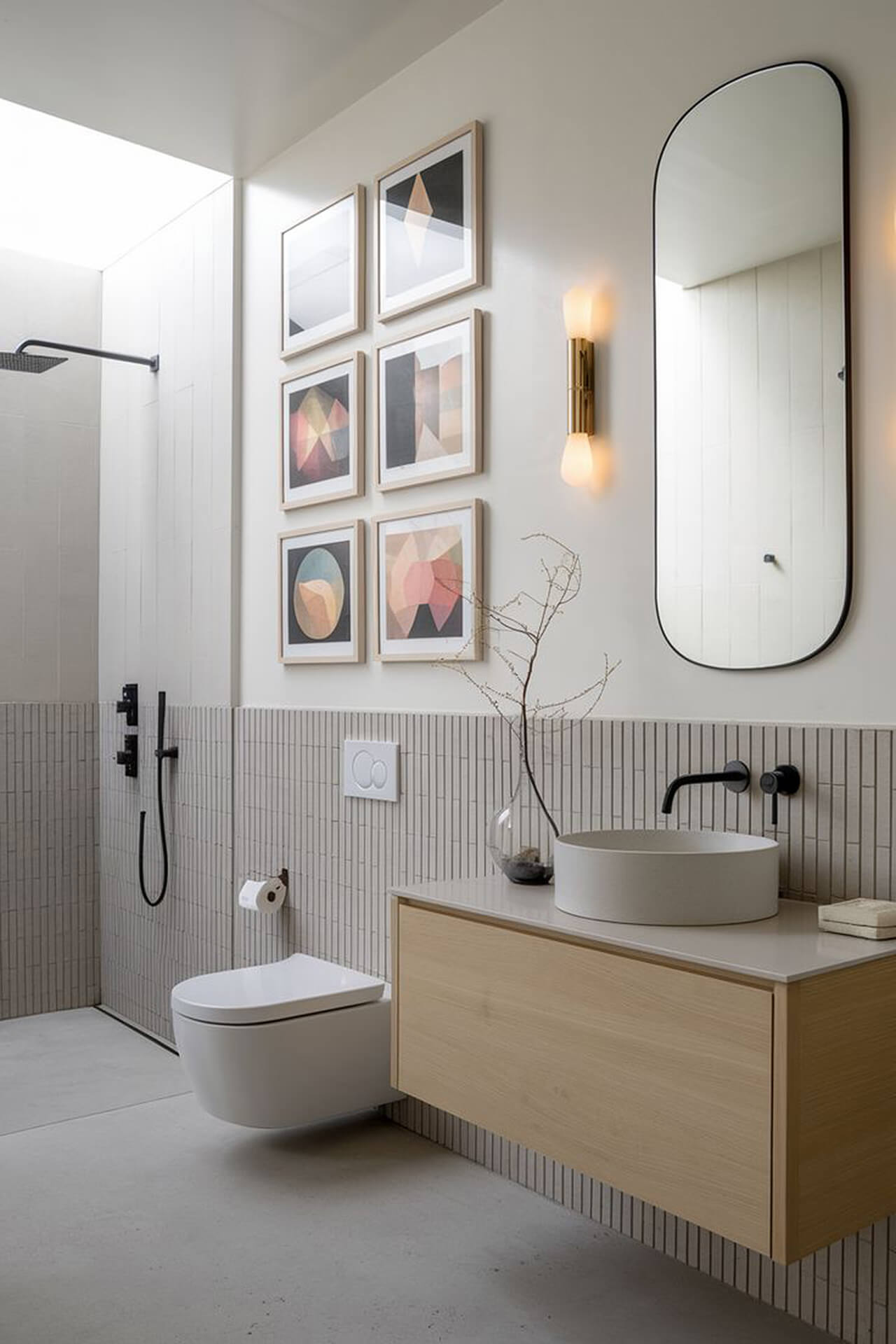
Trend-driven pieces also fall into this category. If a furniture item or color is strongly tied to a current trend, it’s often wiser to choose a more affordable version. This allows flexibility in the future without guilt or unnecessary expense.
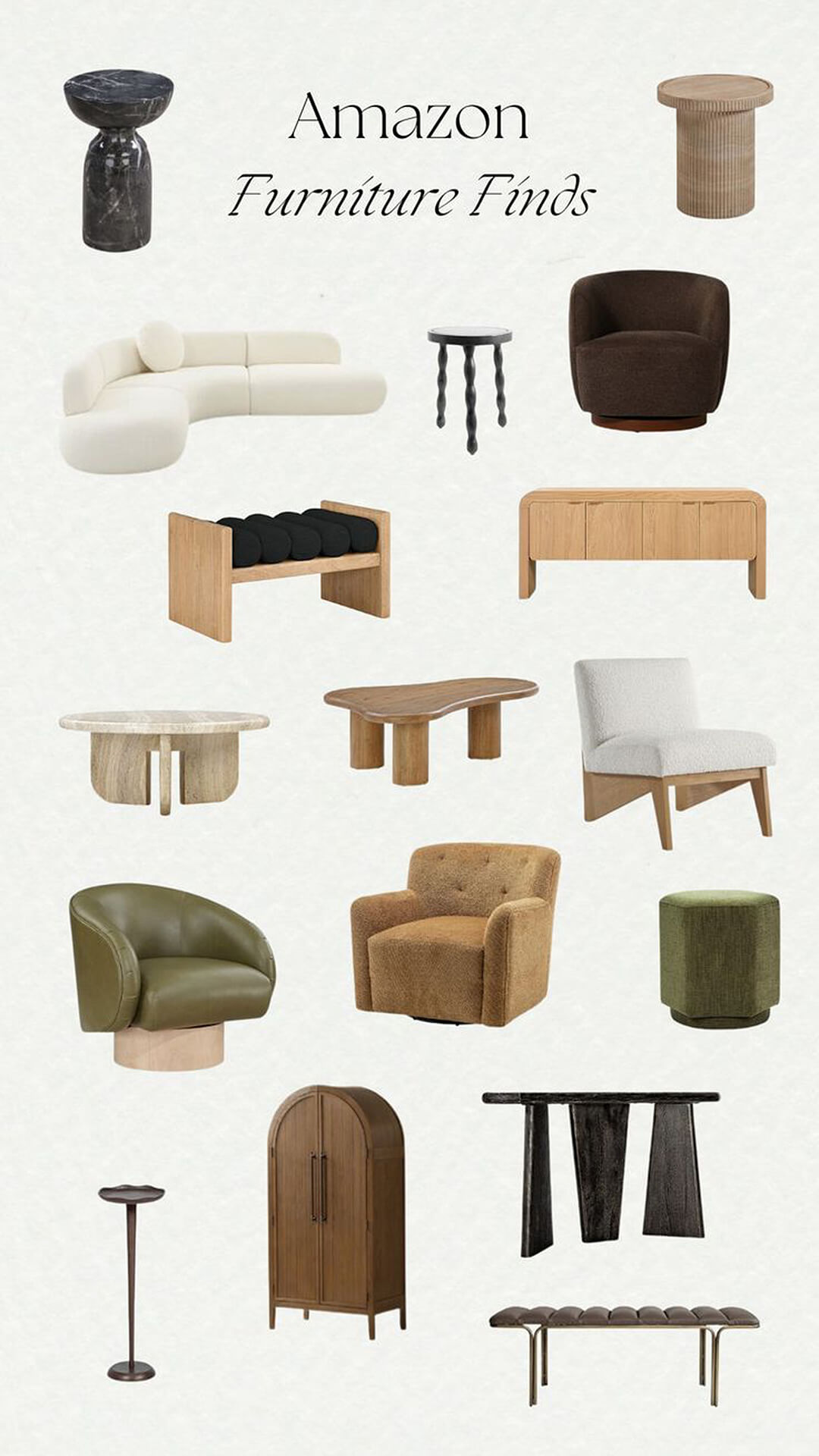
One of the smartest ways to manage a budget is not by choosing cheaper products, but by choosing the right sources. Well-selected pieces from accessible brands can work beautifully when combined thoughtfully. The success of an interior depends less on brand names and more on proportion, placement, and cohesion.
The most expensive mistake of all
Ironically, the biggest financial mistake is often trying to save money during the planning phase. Skipping proper design thinking usually results in rushed decisions, mismatched purchases, and expensive corrections later. Without a clear concept, even a generous budget can be wasted.
A well-designed home is not about spending more, it’s about knowing where value truly lies. When priorities are clear, budgets work harder, spaces feel better, and homes last longer without constant changes.
In the end, smart interior design isn’t about luxury. It’s about balance, intention, and understanding which choices will still make sense years from now.
0 comments